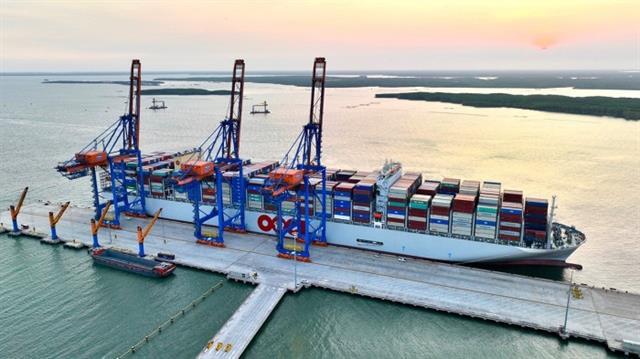
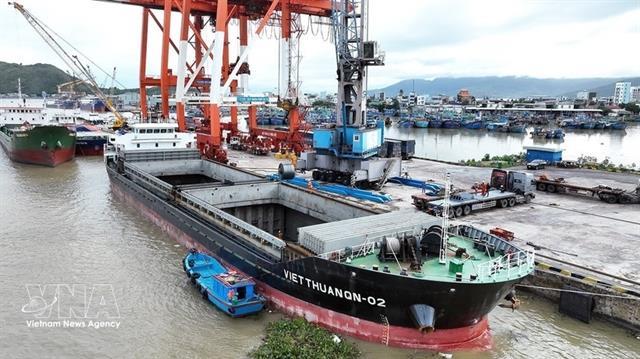
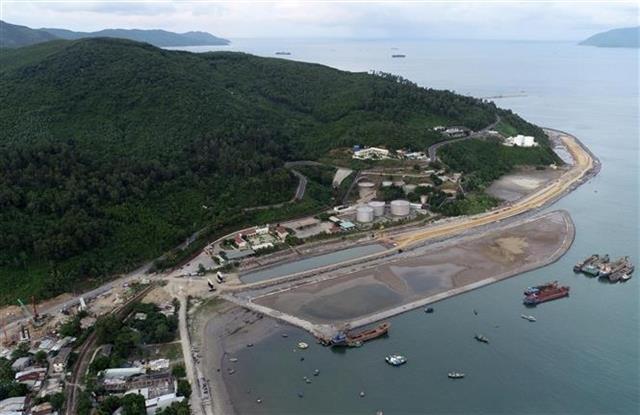
With total investment estimated at around VNĐ45.3 trillion, the port is designed to include eight container berths with a combined length of 2,750 m. It will be capable of handling vessels of up to 18,000 TEU.
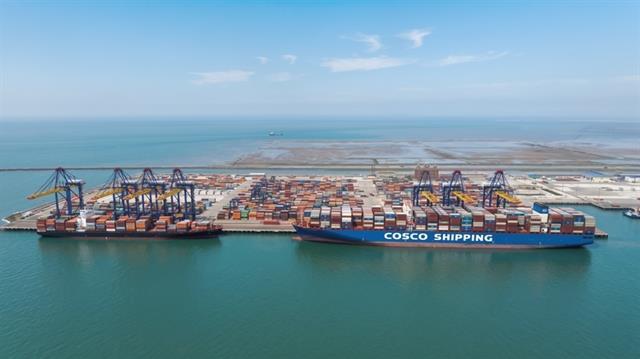
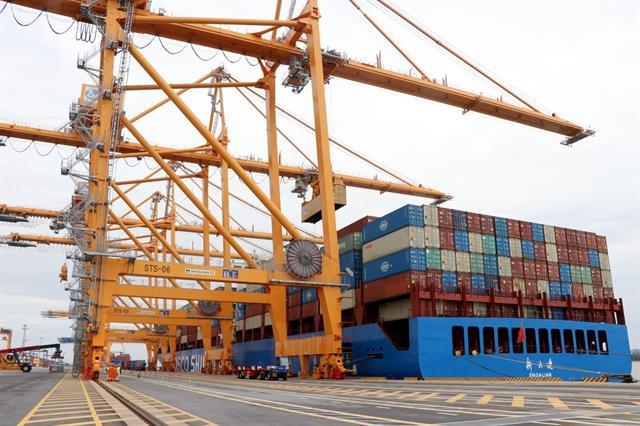
Hải Phòng’s port handles its largest vessel yet as COSCO SHIPPING AQUARIUS arrives, highlighting Việt Nam’s growing capacity for mega-ship operations and global trade ambitions.
The timely and coordinated actions taken by regulatory authorities and the business community will not only help ease cost pressures but also ensure smooth maritime transport, and stabilise the supply of goods and energy for the economy.
Recent changes due to the administrative merger are further enhancing the efficiency of sea routes and inland waterways, creating new momentum for Việt Nam’s logistics sector in the new era.
The Ministry of Construction has approved a VNĐ66 trillion (US$2.6 billion) plan to upgrade Hải Phòng’s port system by 2030, boosting capacity at the north’s largest port hub.
By 2030, the province’s seaport system is expected to handle 17.65–18.75 million tonnes of cargo annually, including 0.32–0.37 million TEUs of containerised cargo and 150,000–200,000 passenger visits per year.
The Hải Phòng Maritime Port Authority will coordinate with the municipal People''s Committee and relevant sides to find locations for dumping waste from construction, dredging, and maintenance activities.
The Cần Giờ International Transshipment Port will be developed on the Gò Con Chó islet in HCM City''s Cần Giờ District, covering an area of about 571 hectares.
HCM City has huge potential due to its strategic location to develop transshipment ports for oversized and heavy cargo from around the world, a conference has heard in HCM City.